
Healthy Lifestyle
What is Quinoa? Is it a Grain or Vegetable?
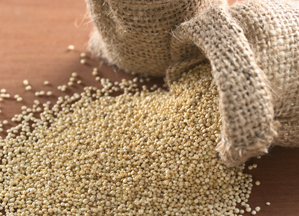
The word Quinoa (pronounced “keen wah”) means “mother grain.” Which may be why some think it is a grain, or it could be because it’s commonly used as a rice substitute or as pasta. But it’s not a typical grain! It’s actually closer to a leafy green vegetables like spinach and Swiss chard and is very…
Read MoreHow does Coconut fit into a diet?

Coconut kind of stands on its own in our food guide because it is different than other foods and reacts differently in our bodies. It is such a wonderful and healthy food so it deserves to have it’s own category! Technically, it is a fat because it comes from a nut and nuts are a…
Read MoreBe Heart Smart – Add Legumes to Your Diet
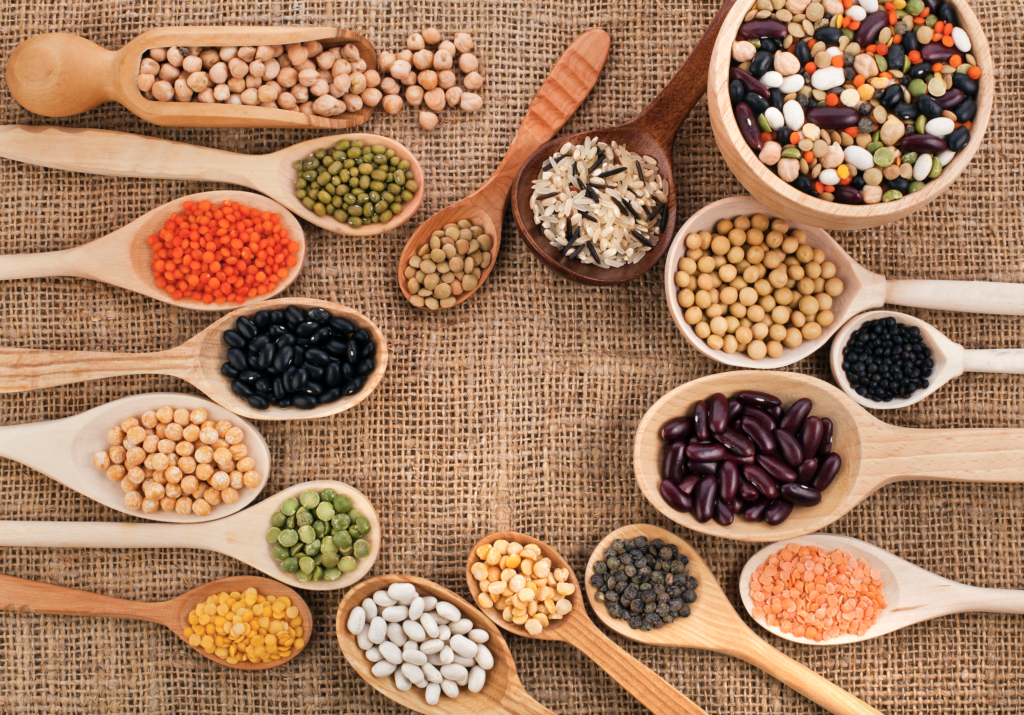
For those seeking more protein in their diet, legumes are a great source, and some might even consider them a healthier substitute for the protein-rich red meat that contains a higher amount of fat and cholesterol. Beans are rich in antioxidants and full of fiber and protein. Some beans contain more protein per serving than some…
Read MoreEvery kitchen should have MCT Oil!

When coaching on health and weight loss, one of the first things I recommend is to remove all your unhealthy oils. I personally believe one of the reasons for the obesity rise in America is unhealthy oils, so I only cook and bake with coconut oil and MCT Oil. Here’s why: Researchers have known for some time that…
Read MoreSugar Alcohols

Despite the name, sugar alcohols are neither sugar nor alcohol. Sugar alcohols are sugar substitutes that are either extracted from plants or manufactured from starches. Common ones: maltitol, xylitol, sorbitol, and erythritol. While many claim they are safe for diabetics because they don’t cause an upsurge in blood sugar. Sugar alcohols may not provide as…
Read MoreThe Many Health Benefits of Cauliflower
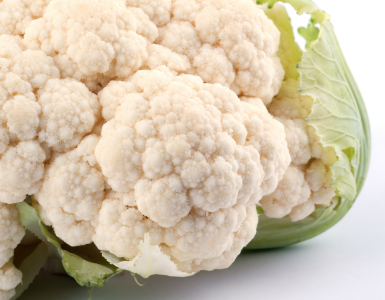
Cauliflower belongs to the group of cruciferous vegetables. Belonging to this group indirectly asserts a vegetable to be of high nutrition value. Cruciferous vegetables, according to scientists, are those vegetables that somehow help fight cancers and some other life-threatening diseases. Typically nutritionists advise to avoid foods that are white in color, such as sugar, rice,…
Read More